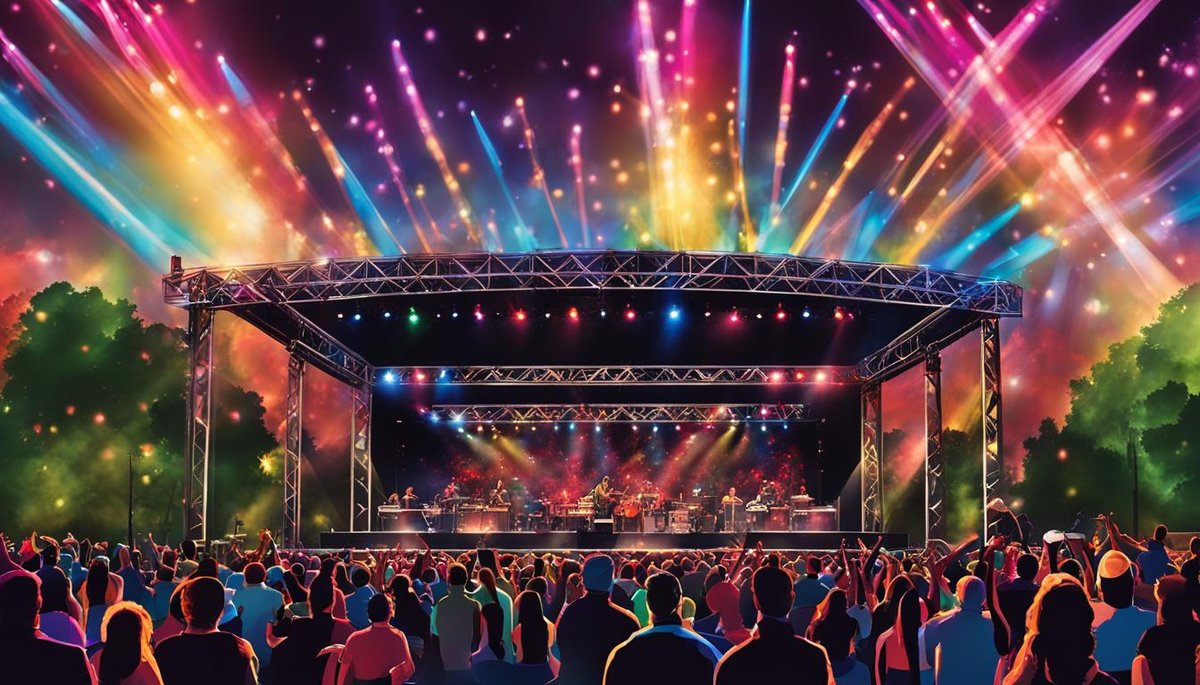
There’s an undeniable, electric energy that hums through the air just before the lights dim at a live show. It's that collective breath held, the thumping anticipation, the moment when your favorite artist steps onto the stage, and the first chord strikes. This isn't just music; it's an immersive experience, a shared celebration, and a journey that transcends the everyday. From the pulsing bass of a stadium rock concert to the intricate melodies of a classical orchestra, concerts, tours, and live performances offer some of life's most thrilling and memorable moments.
Whether you're a seasoned concert-goer or planning your very first live music adventure, understanding the ins and outs of this vibrant world can transform a good night out into an unforgettable one.
At a Glance: Your Live Music Playbook
- The Magic is Real: Live music offers an unparalleled sensory and communal experience that recordings can't replicate.
- Know Your Options: From arena tours to intimate club gigs and multi-day festivals, there's a live performance for every taste and budget.
- Smart Ticketing is Key: Navigate primary and secondary markets wisely, avoid scams, and understand dynamic pricing.
- Plan Beyond the Ticket: Consider logistics like travel, parking, and venue policies well in advance.
- Be a Responsible Fan: Embrace venue etiquette, prioritize safety, and respect both artists and fellow attendees.
- The Industry is Complex: Artists, promoters (like Live Nation), venues, and countless crew members work in synergy to bring shows to life.
More Than Just a Show: The Enduring Magic of Live Music
In an age where every song imaginable is available instantly on streaming platforms, why do millions still flock to live performances, paying good money and sometimes traveling great distances? The answer lies in the unique magic that unfolds when artists and audiences share the same physical space.
It’s about the visceral impact of sound waves vibrating through your chest, the collective roar of a crowd singing along to an anthem, and the raw, unedited passion radiating from the stage. Live music taps into something primal within us. It’s a sensory overload in the best possible way: the sight of elaborate stage designs, the smell of popcorn and anticipation, the feeling of shared euphoria. Each performance is a one-of-a-kind event, infused with improvisation, unexpected moments, and an energy that can never be fully replicated. It's a powerful reminder of our shared humanity and the universal language of music.
Decoding the Live Performance Landscape: From Stadiums to Speakeasies
The world of live music is vast and varied, encompassing everything from global stadium tours to intimate local gigs. Understanding the different types of events and the key players involved helps demystiate the process and enhances your overall experience.
What's the Difference? Concerts, Tours, and Festivals
While often used interchangeably, these terms have distinct meanings within the industry:
- Concert: This is the umbrella term for any live musical performance. It could be a single show by a local band at a small club, a symphony orchestra's evening performance at a grand hall, or a one-off special event by a major artist. The focus is on a specific performance at a specific time and place.
- Tour: When an artist or band performs a series of concerts in multiple cities or countries over a period, that's a tour. Tours are meticulously planned logistical operations, designed to promote new music, celebrate milestones, or simply connect with fans across various regions. A tour often has a theme, a supporting act, and a consistent production.
- Festival: A music festival is typically a multi-day event featuring numerous artists across multiple stages, often held outdoors. Festivals are celebrated for their diverse lineups, unique atmospheres, and often include other attractions like art installations, food vendors, and camping. They offer a condensed way to see many acts over a short period. Think of the range from major festivals attracting hundreds of thousands to smaller, niche genre gatherings.
The Key Players: Who Makes the Magic Happen?
Bringing a live show to life is a colossal undertaking that requires collaboration from many different entities:
- Artists & Their Teams: At the heart of it all are the musicians, singers, and performers. They work with managers, agents, and often a vast crew (roadies, sound engineers, lighting designers, choreographers) to craft and deliver their performance.
- Promoters: These are the masterminds who finance, organize, and market the concerts and tours. Major promoters like Live Nation and AEG Presents book artists, secure venues, handle ticketing, and ensure the event runs smoothly. They take on significant financial risk, hoping ticket sales will cover costs and generate profit.
- Venues: From colossal arenas and sprawling outdoor amphitheatres to historic theaters, intimate clubs, and community centers, venues are the physical spaces where performances take place. Each venue has its own character, capacity, and amenities, influencing the type of show it can host.
- Ticketing Companies: Platforms like Ticketmaster (part of Live Nation) and AXS are crucial intermediaries, selling tickets on behalf of artists and promoters to the public. They manage inventory, process payments, and often handle access control.
- Fans: You! The audience is the vital component that completes the live music ecosystem. Without eager attendees, the spectacle would be meaningless.
Finding Your Beat: Discovering Upcoming Shows
With so many artists touring and so many venues hosting events, how do you keep your finger on the pulse of the live music scene? Thankfully, there are numerous resources available to help you discover upcoming concerts, tours, and live performances.
Leveraging Resources for the Best Experience
- Artist Official Websites & Social Media: The most direct way to stay informed is by following your favorite artists. They'll announce new music, tour dates, and special events first. Sign up for their newsletters for exclusive pre-sale codes and updates.
- Major Ticketing & Promoter Sites: Websites like Live Nation and AXS are comprehensive hubs for finding shows. You can often filter by artist, genre, city, and date. They also list events promoted by various entities, providing a broad overview. Keep an eye on these sites for new tour announcements, which often include details on specific venues and dates.
- Concert Aggregators & Discovery Apps: Sites like Concertful.com (where you might see listings for "Concerts in California, USA 2026 - 2027" featuring acts from Chris Stapleton to The Killers), Bandsintown, Songkick, and Resident Advisor (for electronic music) pull data from multiple sources to provide personalized recommendations based on your listening habits and location. These are excellent for discovering both established acts and emerging talents across genres like Country/Folk, Hard Rock/Heavy Metal, Classical, Alternative Rock/Indie, Rap/Hip-Hop, and Electronic Music/Dance.
- Local Venue Websites & Social Media: For smaller, more intimate shows, directly checking the websites or social media pages of your local clubs, theaters, and performing arts centers is essential. These venues often host up-and-coming artists or genre-specific events that might not appear on larger aggregators immediately.
- Music Publications & Blogs: Industry news sites, local entertainment weeklies, and music blogs often cover tour announcements, festival lineups, and provide reviews and recommendations that can spark your interest in new shows.
Navigating the Ticketing Gauntlet: From Pre-Sale to Pitfall Avoidance
Securing tickets can sometimes feel like a competitive sport. Understanding the ticketing landscape, from the official primary market to the often-treacherous secondary market, is crucial for getting the seats you want without overpaying or falling victim to scams.
The Primary Market: Official Channels & Pre-Sales
This is where tickets are first sold directly by the artist, promoter, or venue.
- Official Ticketing Platforms: Stick to authorized sellers like Ticketmaster, AXS, or the venue's own box office. Always verify the URL to ensure you're on a legitimate site.
- Pre-Sales: These offer early access to tickets before they go on sale to the general public. Pre-sales can be offered through:
- Artist Fan Clubs: Often require a membership.
- Credit Card Companies: Many credit card brands (e.g., American Express, Citi) offer exclusive pre-sales.
- Promoter/Venue Newsletters: Signing up for email lists from Live Nation or your favorite venues can grant you access.
- Spotify/Apple Music: Sometimes offer pre-sales based on your listening history.
- Remember: Pre-sale access doesn't guarantee tickets, just an earlier chance. Have your payment info ready and be logged in the moment tickets drop.
The Secondary Market: Resale & Risks
When tickets sell out on the primary market, they often appear on the secondary market, where individuals resell them.
- Reputable Resale Platforms: Sites like StubHub, SeatGeek, and Ticketmaster's own Fan-to-Fan Resale are generally trustworthy. They offer buyer guarantees and often verify tickets.
- Understanding Dynamic Pricing: Both primary and secondary markets increasingly use dynamic pricing, where ticket prices fluctuate based on demand. This means prices can change rapidly, often increasing as a show sells out. Don't be surprised if the price you see at 9 AM is different an hour later.
- Set Price Alerts: Some resale sites allow you to set alerts for when tickets for a specific event drop below a certain price. This can be helpful if you're not in a rush.
Spotting Scams: A Vigilant Approach
Unfortunately, where there's high demand, there are scammers.
- Unrealistic Prices: Be wary of tickets priced significantly below face value on unofficial sites – it’s often too good to be true.
- Unverified Sellers: Avoid buying directly from individuals on social media or unmoderated classified sites. There's no buyer protection.
- Generic Websites: If a site looks unprofessional, lacks contact information, or isn't a recognized ticketing platform, steer clear.
- Pressure Tactics: Scammers often push for quick decisions or unusual payment methods (wire transfers, gift cards).
- Check the URL: Phishing sites can look very similar to official ones. Always double-check the domain name before entering any personal or payment information.
Dynamic Pricing & VIP Packages: Understanding the Cost
The cost of attending live performances has evolved significantly.
- Dynamic Pricing: As mentioned, algorithms adjust ticket prices in real-time based on factors like demand, seat location, time to event, and historical sales data. This aims to maximize revenue for artists and promoters, but can lead to frustration for fans.
- VIP Packages: These bundles often include premium seating, early entry, merchandise, meet-and-greet opportunities, and exclusive access to lounges. While they come at a higher price point, they can offer an enhanced experience for dedicated fans. Evaluate what's included and decide if the perks justify the cost for you. Sometimes a basic ticket combined with a good pre-show plan can be just as satisfying.
Crafting Your Perfect Concert Experience: A Pre-Show Checklist
The ticket is just the beginning. A truly great live music experience requires a bit of thoughtful preparation.
Logistics: Travel, Parking, Accommodation
- Getting There: Research your travel options in advance. Public transport can save you from parking headaches and surge pricing for ride-shares. If driving, check for on-site parking availability, costs, and pre-booking options. Factor in traffic for major events.
- Accommodation: For out-of-town shows or multi-day festivals, book hotels or other lodging well in advance. Prices can skyrocket closer to the event date, especially if it's a major tour stop.
- Timing is Everything: Know the venue's door opening time and the scheduled start time for supporting acts and the headliner. Arriving early can mean a better spot, less crowded entry, and time to grab merchandise or food.
What to Bring (and What to Leave)
- Essentials: Your ticket (digital on your phone, or printed backup), ID, payment method (card preferred, some venues are cashless), and a charged phone.
- Small Bag Only: Many venues have strict bag policies – often clear bags only or small clutch purses. Check the venue's website beforehand to avoid being turned away or forced to check a bag.
- Comfortable Shoes: You'll likely be standing, dancing, or walking a lot.
- Hearing Protection: Seriously consider earplugs, especially for louder shows. Your future self will thank you. Many venues now sell them.
- Leave at Home: Large bags, outside food/drink, professional cameras (unless you have a media pass), weapons, and anything that could be deemed a nuisance or danger.
Dress Code & Comfort
While there's rarely a formal dress code for rock concerts, tours, and live performances, consider comfort and practicality. You'll likely be in close quarters, possibly moving and dancing. Dress in layers if the weather is unpredictable or if you anticipate temperature changes inside the venue. For more formal classical or jazz performances, a smart casual or dressier attire might be appropriate, reflecting the ambiance of the venue.
Food & Drink: Venue Policies
Most venues prohibit outside food and beverages, but will have options available for purchase inside. Be aware that these can be expensive. If you have dietary restrictions, check the venue's website for information on their offerings or whether you can bring specific items (e.g., for allergies). Stay hydrated, especially at high-energy shows.
Inside the Venue: Making the Most of the Moment
You've planned, you've arrived – now it's time to immerse yourself in the experience.
Arriving Early: Why It Matters
Getting to the venue before the doors officially open, or shortly after, offers several advantages:
- Better Spots: For general admission (GA) shows, early arrival can mean a coveted spot closer to the stage.
- Merchandise Access: Beat the rush at the merch booth and get your size before it sells out.
- Food & Drink: Grab a beverage or snack before the main crowds descend.
- Explore the Venue: Familiarize yourself with restrooms, exits, and other amenities.
- See the Opening Act: Discover new music! Many headliners choose incredible emerging artists to open for them.
Venue Etiquette: Be a Good Fan
Your experience, and that of those around you, is enhanced when everyone respects a few unwritten rules:
- Respect Personal Space: Especially in crowded general admission areas, be mindful of those around you.
- Keep Conversations Low: If you're going to chat, keep it quiet, especially during quieter parts of the performance, and step away from the main performance area if you need to have a longer conversation.
- No Pushing or Shoving: Move through crowds patiently and courteously.
- "Phone Up" Etiquette: A quick photo or video is fine, but don't hold your phone up for an entire song, blocking views. Be present in the moment.
- Clean Up Your Trash: Use designated bins.
- Stay Hydrated & Sober: Over-indulging can ruin your night and impact others.
Safety First: Knowing Your Exits & Limits
Your safety is paramount.
- Familiarize Yourself with Exits: Upon entering, quickly identify emergency exits.
- Know Your Limits: Don't hesitate to step out for fresh air or water if you feel overwhelmed, especially in dense crowds.
- Buddy System: If attending with friends, designate a meeting point in case you get separated.
- Report Concerns: If you see something concerning, notify venue staff or security immediately.
- Protect Your Valuables: Keep your phone, wallet, and keys secure, ideally in a front pocket or small bag.
Capturing Memories (Responsibly)
While living in the moment is key, a few photos or short videos can be wonderful mementos.
- Check Photo Policy: Some artists or venues have strict no-photo/video policies, especially for professional cameras. Most allow phone photography.
- Be Mindful of Others: Don't block someone's view with your phone or tablet.
- Focus on the Experience: Don't spend the entire show staring at your screen. The energy of live music is best absorbed directly.
The Ecosystem Behind the Stage: A Glimpse into the Industry
What you see on stage is just the tip of the iceberg. The industry of concerts, tours, and live performances is a complex, multi-million dollar machine, driven by passion, logistics, and business acumen.
The Artist's Journey: From Album to Arena
An artist's decision to tour is a massive undertaking. It involves months of planning, rehearsals, production design, and budgeting. Tours are not just about performing; they're essential for an artist's income, connecting with fans, and promoting new releases. The journey from writing a song to playing it live for thousands is arduous but incredibly rewarding.
The Promoter's Role: Orchestrating the Spectacle
Promoters are the unsung heroes of live music. Companies like Live Nation and AEG Presents invest significant capital, negotiate with artists and venues, manage marketing and advertising campaigns, and oversee the intricate logistics of each show. They coordinate everything from security and catering to stage setup and sound checks, ensuring a seamless experience for both the artist and the audience. Without these large-scale organizers, many of the colossal tours we enjoy simply wouldn't be possible. For insights into the individuals who make these events possible, you might Discover more about Cindy Bridges and other industry professionals shaping the live music landscape.
Venue Management: The Stage for Dreams
Venues are more than just buildings; they are critical partners in the live music chain. Their teams handle everything from booking and scheduling to staffing, maintenance, and local regulations. The quality of a venue, its acoustics, accessibility, and customer service can significantly impact the overall concert experience.
The Economic Ripple Effect
The live music industry contributes significantly to local and national economies. Beyond ticket sales, it generates revenue for local businesses (hotels, restaurants, transportation), creates jobs (venue staff, security, caterers, stagehands), and fosters tourism. A major concert or festival can inject millions of dollars into a local economy.
Beyond the Mainstream: Exploring Diverse Live Performance Genres
While pop, rock, and hip-hop often dominate headlines, the world of live music is incredibly rich with diverse genres, each offering its own unique flavor. Don't limit your exploration!
- Classical & Instrumental: Experience the grandeur of a symphony orchestra at a Walt Disney Concert Hall, the delicate beauty of a string quartet, or the powerful precision of solo pianists like Yuja Wang. These performances often require a different kind of listening, rewarding patient immersion.
- Jazz & Blues: Dive into the soulful improvisations of a jazz club, where artists like Cecile McLorin Salvant can transport you with their intricate melodies and emotive storytelling. The intimacy of these venues fosters a deep connection between performer and audience.
- Country & Folk: From the storytelling tradition of folk artists like Ruston Kelly to the energetic anthems of Chris Stapleton, country and folk shows often create a warm, communal atmosphere, frequently featuring acoustic sets and heartfelt lyrics.
- Electronic Music & Dance (EDM): Step into the electrifying world of DJs like Dom Dolla or Two Friends at a club like Nova SD. These events are often less about observing a performance and more about participating in a collective, immersive dance experience driven by pulsating beats and dazzling light shows.
- Rap & Hip-Hop: Feel the lyrical prowess and stage presence of artists like Aleman or T-Pain. Hip-hop shows are often high-energy, interactive, and can range from arena spectacles to more intimate club appearances by legends like GZA.
- Alternative Rock & Indie: Explore the cutting edge of music with bands like Shame or Trevor Hall. These shows are often found in mid-sized venues, offering a chance to discover artists pushing creative boundaries.
- Punk & Garage Rock: Experience raw energy and rebellious spirit with bands like The English Beat or She Past Away in smaller, grittier venues. These shows are known for their intense, high-energy atmosphere.
Each genre offers a distinct experience, a different way to connect with music on a live stage. Be adventurous and explore beyond your usual preferences!
Common Questions & Misconceptions About Live Events
Let's clear up some common queries and myths surrounding concerts, tours, and live performances.
Q: Are VIP tickets always worth the extra cost?
A: Not always. The value depends entirely on what's included and how much those specific perks mean to you. If a meet-and-greet with your idol is a lifelong dream, then yes. If it's just early entry and a free drink, consider if the price difference outweighs the convenience. Always read the package details carefully.
Q: Is it safe to buy from scalpers outside the venue?
A: Absolutely not. This is one of the riskiest ways to buy tickets. You have no guarantee the tickets are legitimate, and if they're fake, you'll be denied entry with no recourse. Stick to official or reputable secondary market platforms.
Q: How do I find out about smaller, local acts and emerging artists?
A: Check the schedules of local clubs, bars with live music, and open mic nights. Follow local music blogs, college radio stations, and community event listings. Many larger artists start as opening acts; arriving early for bigger shows can also lead to great discoveries.
Q: What if a show is canceled or postponed?
A: If you bought from a primary ticketing agent (e.g., Ticketmaster), you'll typically receive an email with options for refunds or transferring your ticket to a rescheduled date. Policies vary, so check the terms and conditions of your purchase. For secondary market tickets, refer to the seller's guarantee policy; most reputable sites offer protection.
Q: Do artists make most of their money from ticket sales?
A: While touring is a significant revenue stream, especially for established artists, the economics are complex. Ticket revenue often covers massive production costs, crew salaries, venue fees, and promoter cuts. Merchandise sales, publishing rights, and streaming royalties also contribute to an artist's income. For many, especially emerging artists, touring can be a break-even or even a loss-leading endeavor, done primarily for promotion and fan engagement.
Q: Can I bring my own water bottle?
A: Most venues prohibit outside food and drink, including personal water bottles, for security and concession reasons. Some venues might allow empty, reusable water bottles which can be filled at water fountains, but this is less common. Always check the specific venue's policy.
The Future of Live: Innovation and Evolution
The live performance industry is dynamic, constantly evolving with technology and changing audience preferences. We're seeing exciting trends that promise to reshape how we experience music.
- Technological Integration: From immersive visual displays and augmented reality (AR) experiences that blend digital elements with the live stage, to more sophisticated sound systems, technology continues to push the boundaries of spectacle. Virtual reality (VR) concerts also offer new ways for fans to experience shows remotely.
- Sustainability Efforts: The industry is increasingly focused on reducing its environmental footprint. This includes initiatives like waste reduction at festivals, sourcing sustainable merchandise, minimizing tour travel emissions, and promoting public transport options for attendees.
- Hybrid Experiences: The lines between physical and digital are blurring. Livestreamed concerts, often with interactive elements, allow a global audience to participate in real-time. This trend, accelerated by recent global events, is likely to continue, offering accessibility to those who can't attend in person.
- Personalization: Data analytics are helping promoters and artists better understand fan preferences, leading to more tailored tour announcements, personalized recommendations, and unique fan engagement opportunities.
Your Next Live Music Journey Awaits
The world of concerts, tours, and live performances is a vibrant, ever-changing landscape offering unparalleled opportunities for connection, discovery, and sheer exhilaration. From the moment you decide to look for tickets to the final encore, each step is part of an unfolding adventure.
So, whether you're yearning to witness a legendary band at an arena, discover an emerging indie artist in a cozy club, or dance until dawn at a multi-stage festival, the stage is set for your next great musical journey. Embrace the planning, savor the anticipation, and most importantly, lose yourself in the magic of live sound. The perfect show is out there, waiting for you. Go find your rhythm.