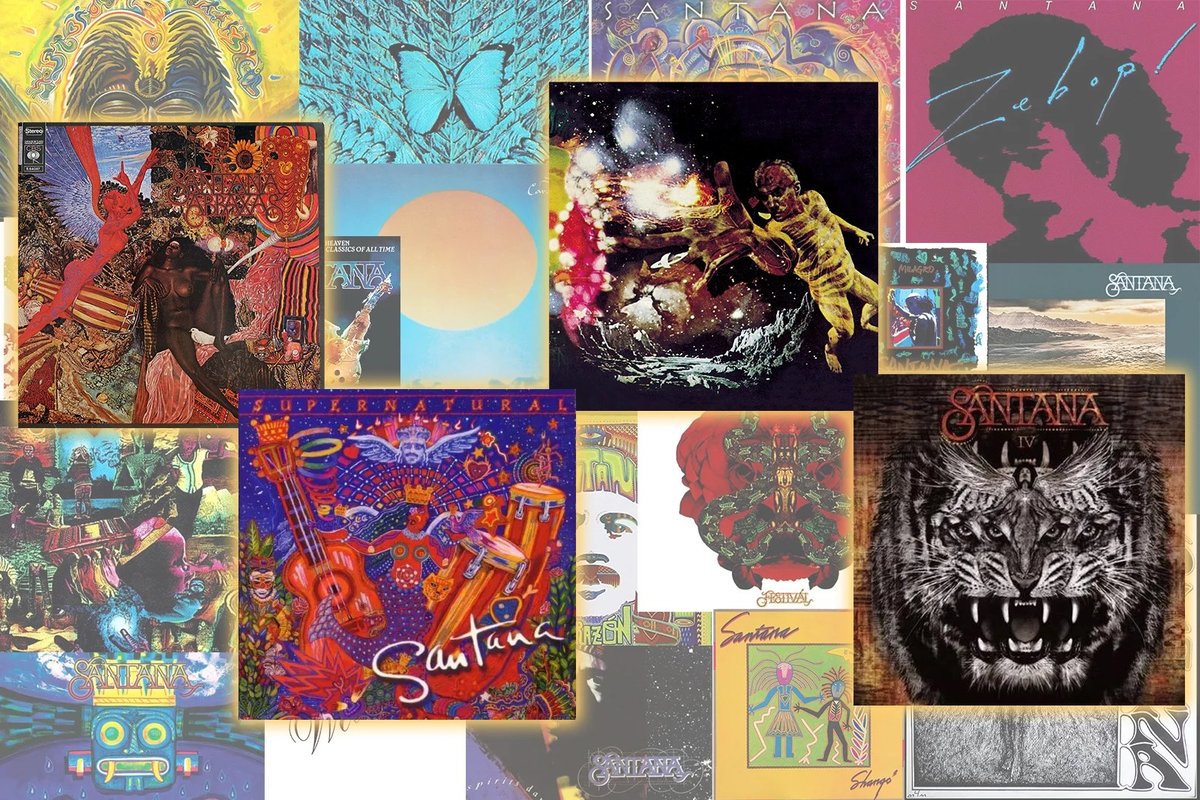
When you truly want to understand an artist, a dive into their discography and albums isn't just listening to music—it's embarking on an archaeological dig through their creative evolution. Each release, from a debut single to a sprawling concept album, is a snapshot of where they were, who they were collaborating with, and the cultural currents shaping their sound. It's how we trace the trajectory of an icon, connect with their stories, and unlock the deeper narratives woven into the very fabric of music history.
This isn't merely about ticking off tracks; it’s about grasping the full artistic statement. Whether you're a casual listener or a dedicated aficionado, exploring an artist's collected works offers profound insights into their world, their influences, and their lasting impact.
At a Glance: Understanding Discographies and Albums
- Discography Defined: A comprehensive list of an artist's recorded musical works, including albums, singles, EPs, and collaborations.
- Albums as Chapters: Each album represents a distinct period, theme, or artistic direction in an artist's career.
- Why They Matter: Reveal artistic growth, cultural influence, and personal journeys.
- Types of Releases: From studio albums to live recordings, compilations, and EPs, each serves a unique purpose.
- Navigating the Journey: Explore chronologically to witness evolution or thematically for specific moods.
- Curated Lists: Tools like Rolling Stone's "500 Greatest Albums" offer critical perspectives and discovery pathways.
- Digital Age Impact: Streaming services make full discographies more accessible than ever, enabling deeper dives.
The Blueprint of a Legacy: What Discography and Albums Truly Are
At its core, a discography is a complete chronicle of an artist's recorded output. Think of it as a musical curriculum vitae, detailing every official release, collaboration, and sometimes even unreleased tracks that have seen the light of day. Albums, on the other hand, are the major milestones within that discography – thoughtfully curated collections of songs, designed to be heard as a cohesive artistic statement.
An album is more than just a playlist; it's a carefully constructed narrative, an emotional arc, or a thematic exploration. From the vinyl era's A and B sides to the seamless digital streams of today, artists craft albums to convey a specific message or feeling, to tell a story that individual singles often can't capture. The journey from The Beatles' early rock and roll records to their psychedelic masterpieces, or from Michael Jackson's groundbreaking pop to his introspective later works, is best understood by experiencing their albums in sequence.
For many, discovering music begins with a single, a catchy tune that hooks you in. But it's the album that invites you to stay, to delve deeper, and to understand the context of that initial spark. This is why resources like Ersy.com are so invaluable, meticulously detailing the complete discographies and releases from artists across every genre, including the latest hip-hop albums by Drake and Kanye West, pop records from Taylor Swift and Ariana Grande, and even recent drops from global sensations like Bad Bunny, Travis Scott, and BTS. They provide a structured entry point into the vast and varied world of recorded music, covering everything from Afrobeats to K-Pop.
Why Every Artist's Recorded Works Tell a Story
A well-explored discography isn't just a list of songs; it’s an intimate portrait of an artist's evolution. It reveals shifts in their songwriting, experiments with different genres, changes in their collaborators, and how they responded to the world around them. For example, witnessing the progression from Black Flag's raw debut, Damaged, to their later, more complex works shows a band grappling with the confines of hardcore punk, pushing boundaries with every release. Similarly, tracking Taylor Swift’s discography from her country roots to her pop superstardom and then to her indie-folk reinventions unveils a masterful storyteller constantly evolving her sound and narrative.
Beyond individual growth, discographies also highlight an artist’s cultural impact. Consider how Marvin Gaye's What's Going On transcended music to become a powerful social statement, or how Daddy Yankee's Barrio Fino, featuring the colossal hit “Gasolina,” marked a breakthrough for reggaeton, forever changing the global music landscape. These albums aren't just entertainment; they are historical markers, reflections of their times, and catalysts for future movements.
Understanding this trajectory can deepen your appreciation not just for the artist, but for the art form itself. It offers clues into why certain sounds endure and how artists constantly reinvent themselves. If you're keen to understand how an artist's sound matures and transforms over time, taking a look at exploring artist evolution through their full body of work is incredibly rewarding.
Decoding the Different Album Formats
Not all recorded works are created equal, and understanding the nuances between various release formats is key to fully appreciating a discography. Each type serves a distinct purpose in an artist's career and often reflects different creative intentions or commercial strategies.
- Studio Albums: These are the bedrock of an artist's discography. Typically recorded in a studio, they represent a cohesive collection of new material, often crafted around a specific theme or sound. They are usually the primary vehicle for an artist's creative vision and are most often what we mean when we talk about a major "album release." Harry Styles' Harry's House (2022) is a prime recent example, exploring themes of finding home through a blend of city pop, disco, and guitar ballads, featuring the hit “As It Was.”
- Live Albums: Capturing the energy and spontaneity of a performance, live albums offer a different dimension. They can showcase an artist's interpretive skills, highlight audience interaction, or present familiar songs in new arrangements. They often become fan favorites, offering a glimpse into the raw power of a live show.
- Extended Plays (EPs): Shorter than a full album, EPs usually feature 4-6 tracks. They can serve as a bridge between albums, a testing ground for new sounds, or a way to introduce a new artist without the commitment of a full-length record. Many artists use EPs to maintain momentum or offer a taste of what’s to come.
- Singles: These are individual songs released independently, often to promote an upcoming album or simply to capitalize on a hit. While many singles appear on albums, some are standalone releases, sometimes featuring B-sides that are exclusive to the single format.
- Compilations and Greatest Hits Albums: These collections bring together popular tracks or unreleased material, often spanning different periods of an artist's career or focusing on a specific theme. Rolling Stone's "500 Greatest Albums of All Time" list notably includes compilations and greatest-hits albums due to their historical significance, recognizing that these collections can be monumental cultural artifacts in their own right. Al Green's Greatest Hits (1975) is lauded for compiling his classics like “Let’s Stay Together” into a flawless suite, demonstrating the power of a well-curated compilation. Similarly, Diana Ross and the Supremes’ Anthology (1974) is a testament to the Motown hit factory, showcasing glamour and heartbreak.
Understanding these formats helps you appreciate the full scope of an artist's output and how they choose to share their work with the world. To dive deeper into the specific characteristics and purposes of these various releases, consider understanding album formats and their role in an artist's journey.
The Journey Through a Discography: A Listener's Guide
Approaching an artist's complete works can feel daunting, especially for prolific musicians. But with a bit of strategy, you can unlock a truly rewarding listening experience.
1. Go Chronological for Evolution: The most straightforward way to navigate a discography is to start from the beginning. Listen to their debut album and progress through their releases in order. This allows you to witness their growth, identify influences, and understand how their sound matured or transformed over time. You’ll hear their early experiments, their breakthroughs, and perhaps even their creative plateaus. This approach is particularly insightful for bands like The Kinks, whose Something Else by the Kinks (1968), though a commercial flop, demonstrated Ray Davies’ genius for writing about everyday people, laying groundwork for future classics.
2. Thematic Exploration: Sometimes, you might be drawn to a particular phase or style. If an artist has distinct periods (e.g., folk, then rock, then electronic), you can group their albums thematically. This is great for understanding how an artist interprets different genres or tackles specific lyrical subjects. For instance, exploring the blues discographies of Muddy Waters or Howlin’ Wolf reveals the foundational sounds of Chicago blues, but each artist presents their unique roar.
3. Jump In with a Classic: If an artist has a widely acclaimed or commercially successful album, that can be a great entry point. Once you've connected with that work, you can then backtrack to earlier material or move forward to see how they built upon that success. Bonnie Raitt's Nick of Time (1989), her multiplatinum, Grammy-winning album, served as a powerful midlife statement and her first sober album, making it an excellent gateway to her broader work.
4. Discovering Hidden Gems: After you've familiarized yourself with the major albums, dig into EPs, B-sides, and lesser-known releases. These often contain experimental tracks, intimate recordings, or songs that simply didn't fit the flow of a main album, offering a deeper, more nuanced understanding of the artist.
5. Curated Playlists and Recommendations: Don't hesitate to lean on expert-curated lists or recommendations from fellow fans. These can point you towards essential albums or highlight particular facets of an artist's work you might otherwise miss. Engaging with resources that help with curating your playlist can greatly enhance your listening journey, guiding you through the vast ocean of music.
By being intentional in your exploration, you move beyond passive listening to an active engagement with the artist's full creative output, unlocking a richer and more meaningful connection to their music.
Curators, Critics, and the Pantheon of Greatness
While personal taste is paramount, critical acclaim and curated lists play a vital role in shaping our understanding of musical significance. Lists like Rolling Stone's "500 Greatest Albums of All Time" serve as cultural touchstones, sparking debate, introducing new generations to classics, and re-evaluating legacies.
Originally published in 2003 and updated in 2012, the fully revamped 2020 version of Rolling Stone's list was compiled from votes by over 300 artists, writers, producers, and industry figures. This diverse panel included luminaries like Beyoncé, Taylor Swift, Billie Eilish, Adam Clayton and The Edge of U2, Raekwon of Wu-Tang Clan, Gene Simmons, and Stevie Nicks. This broad range of perspectives ensures a robust, albeit always debated, selection process. The list was further updated in December 2023 to reflect new classics by artists such as Beyoncé, Bad Bunny, and Taylor Swift, demonstrating its ongoing relevance. Notably, the list acknowledges the historical significance of compilations and greatest-hits albums, giving credit where credit is due for their cultural impact.
Let's look at a few examples from this esteemed list that highlight the breadth and depth artists achieve within their discographies:
- Arcade Fire, ‘Funeral’ (Merge, 2004) - #500: A defining album for independent rock of the ‘00s, this debut powerfully explored themes of loss, love, and generational hope, demonstrating how a single album can encapsulate the zeitgeist.
- Rufus, Chaka Khan, ‘Ask Rufus’ (ABC, 1977) - #499: Led by the inimitable Chaka Khan, this album anticipated Nineties neo-soul and became the group’s first platinum record, showcasing a significant evolution in their sound.
- Suicide, ‘Suicide’ (Red Star, 1977) - #498: An influential New York synth-punk album, its violent, hypnotic electronics and rhythmic screams left an indelible mark, influencing bands across decades.
- Shakira, ‘Dónde Están los Ladrones’ (Columbia, 1998) - #496: A groundbreaking Spanish-speaking rock set, masterfully blending Colombian, Mexican, and Lebanese sounds, produced by Emilio Estefan. This album highlights an artist's ability to transcend cultural boundaries.
- Boyz II Men, ‘II’ (Motown, 1991) - #495: This record cemented their status as the most commercially successful R&B vocal group, known for innocent romanticism and meticulous arrangements, proving the enduring power of classic R&B.
- Marvin Gaye, ‘Here, My Dear’ (Tamla/Motown, 1978) - #493: A double LP of breakup songs, famously made to fulfill a divorce settlement, notable for its bitter humor and raw honesty, revealing a deeply personal side of a musical legend.
- Harry Styles, ‘Harry’s House’ (Columbia, 2022) - #491: Styles' third solo album exploring themes of finding home, this showcases his versatility, blending city pop, disco, and guitar ballads, solidifying his status as a modern pop icon.
- Black Flag, ‘Damaged’ (SST, 1981) - #487: This album didn't just define L.A. hardcore punk; it was denounced as “immoral” by MCA, a badge of honor for its uncompromising sound and Henry Rollins’ iconic scream.
- Lady Gaga, ‘Born This Way’ (Interscope, 2011) - #484: Gaga’s second album, known for its "blessed bombast" and Springsteenian romanticism, with the title track becoming an LGBTQ anthem, demonstrating music’s power as a vehicle for social change.
- SZA, ‘Ctrl’ (RCA, 2017) - #472: An assured debut that brought a new self-searching spirit to R&B with lyrics about insecurity and loneliness, marking SZA as a distinctive voice of her generation.
- Daddy Yankee, ‘Barrio Fino’ (V.I. Music, 2004) - #473: A reggaeton opus crowned by the hit “Gasolina,” this album marked a colossal breakthrough for the genre, illustrating its global impact.
- Bon Iver, ‘For Emma’ (Jagjaguwar, 2008) - #461: A DIY debut that reshaped a generation’s understanding of love-torn folk music and influenced the pop mainstream, showing how intimate works can have massive reach.
- Sinéad O’Connor, ‘I Do Not Want What I Haven’t Got’ (Ensign/Chrysalis, 1990) - #457: Her breakthrough album, featuring her keening voice and the Prince ballad “Nothing Compares 2 U,” which became her signature song and a pop culture phenomenon.
These examples underscore how albums are not just collections of songs, but cultural artifacts that capture moments in time, define genres, and shape artists’ legacies. Exploring the impact of music criticism and curated lists can provide invaluable guidance for discovering these seminal works.
The Modern Soundscape: Discographies in the Digital Age
The advent of streaming services has fundamentally transformed how we interact with discographies. What once required a trip to a record store or meticulous collection over years is now available at our fingertips. This accessibility has profound implications:
- Instant Immersion: You can now listen to an artist's entire recorded output in chronological order with a few clicks, making those deep dives into artistic evolution easier than ever.
- Global Reach: Emerging artists from any corner of the world can instantly share their full discographies, fostering a truly global music community. This is evident in the global success of genres like Afrobeats and K-Pop, and artists like Bad Bunny and BTS, whose full catalogs are readily available to fans worldwide.
- Recontextualization: Older albums can find new audiences who might have discovered an artist through a viral track years later. The comprehensive databases of sites like Ersy.com become even more crucial in this environment, providing detailed information that streaming platforms often lack.
- The "Album Drop" Phenomenon: While singles still dominate, major album releases remain significant cultural events. Artists like Taylor Swift, Beyoncé, and Travis Scott orchestrate massive "album drops" that generate immense buzz, highlighting the enduring power of the full-length project even in a single-driven market.
However, the digital age also presents challenges, such as the sheer volume of releases making it harder for individual albums to stand out, and the debate over fair compensation for artists. Despite these complexities, the digital era has undeniably democratized access to the entire recorded history of music, empowering listeners to explore discographies with unprecedented ease and depth.
Beyond the Music: What Discographies Reveal
An artist’s discography offers a window into more than just melodies and lyrics; it’s a socio-cultural artifact. It can reflect:
- Social Commentary: Many artists use their albums as platforms for social and political statements. From Marvin Gaye’s What’s Going On to Laura Nyro’s Eli & the 13th Confession paving the way for genre-busting female troubadours, albums have long been vehicles for change. Manu Chao’s Clandestino, a debut album dedicated to undocumented migrants, beautifully blended languages and styles to deliver a powerful message.
- Technological Shifts: The progression from acoustic recordings to elaborate studio productions, and then to digitally produced soundscapes, is mirrored in discographies. Early blues masters like Bo Diddley had an "inestimable influence on rock & roll through his signature rhythmic beat," a sound that was continually reinterpreted with new technologies. Albums like Kraftwerk's work, which influenced reggae pioneers Black Uhuru, showcase how technology shaped new genres.
- Personal Narratives: Albums often encapsulate an artist's personal struggles, triumphs, and transformations. Jason Isbell's Southeastern, an opus drawn from personal travails like sobriety and marriage, set a new standard for introspective songwriting. Kid Cudi’s Man on the Moon: The End of the Day merged emo and psychedelic rock with hip-hop to explore introspection from depression to contentment, influencing subsequent artists with its raw honesty. These records become deeply relatable, forging powerful connections with listeners.
By looking beyond the surface, you discover how albums intertwine with broader human experiences, making them not just music, but vital cultural documents.
Common Questions About Artists' Recorded Works
Q: Is a discography only for official studio albums?
A: No, a comprehensive discography typically includes all official releases: studio albums, live albums, EPs, singles, collaborations, and sometimes even compilation albums featuring previously unreleased tracks. It’s the full picture of an artist's recorded work.
Q: How do deluxe editions or re-releases fit into a discography?
A: Deluxe editions, re-releases, and remastered versions are generally considered part of the main album's entry within a discography, often noted with specific release dates or bonus tracks. They don't typically create entirely new entries but rather expand upon existing ones.
Q: Why do some bands have different discographies in different countries?
A: Historically, due to differing record labels, licensing agreements, and market demands, an artist's album releases could vary between countries, with different track listings, artwork, or even entirely unique compilations. While less common today, it's a fascinating aspect of music history that impacted bands like The Beatles.
Q: Do mixtapes count as part of a discography?
A: It depends on the context and the artist. Traditionally, mixtapes were unofficial releases, but in genres like hip-hop, many mixtapes have become seminal works and are often included in an artist's recognized discography, especially if they received wide distribution and critical acclaim.
Q: What's the best way to start exploring a new artist's discography?
A: A great starting point is often their most critically acclaimed album or their most commercially successful one. Once you connect with that work, you can then move chronologically forward or backward to trace their journey. Alternatively, some prefer to start with the debut to witness their earliest sound. For a holistic view of how artists are shaped by their works, you might enjoy reading more about All about Cindy Bridges.
Charting Your Course: Starting Your Own Deep Dive
Engaging with an artist’s complete discography and albums isn't just about listening; it's about connecting with a story, understanding a journey, and appreciating the full scope of their artistic contribution. Each album is a chapter, each single a poignant sentence, all building towards a rich narrative that defines their legacy.
So, where do you begin your next deep dive? Pick an artist you admire, or one you're curious about. Maybe it's a classic rock legend, a modern pop icon, or an underground gem. Seek out their earliest recordings, listen to their most celebrated albums, and don't shy away from their lesser-known works. Notice the subtle changes in their voice, the evolution of their lyrical themes, and the courage they show in experimenting with new sounds.
Embrace the journey. You'll not only discover incredible music but also gain a profound appreciation for the intricate, often messy, and always fascinating process of artistic creation. Every spin, every stream, every album you explore brings you closer to the heart of what makes music such an enduring and powerful force in our lives.